Bitcoin Depot Verification Expands Across US ATMs
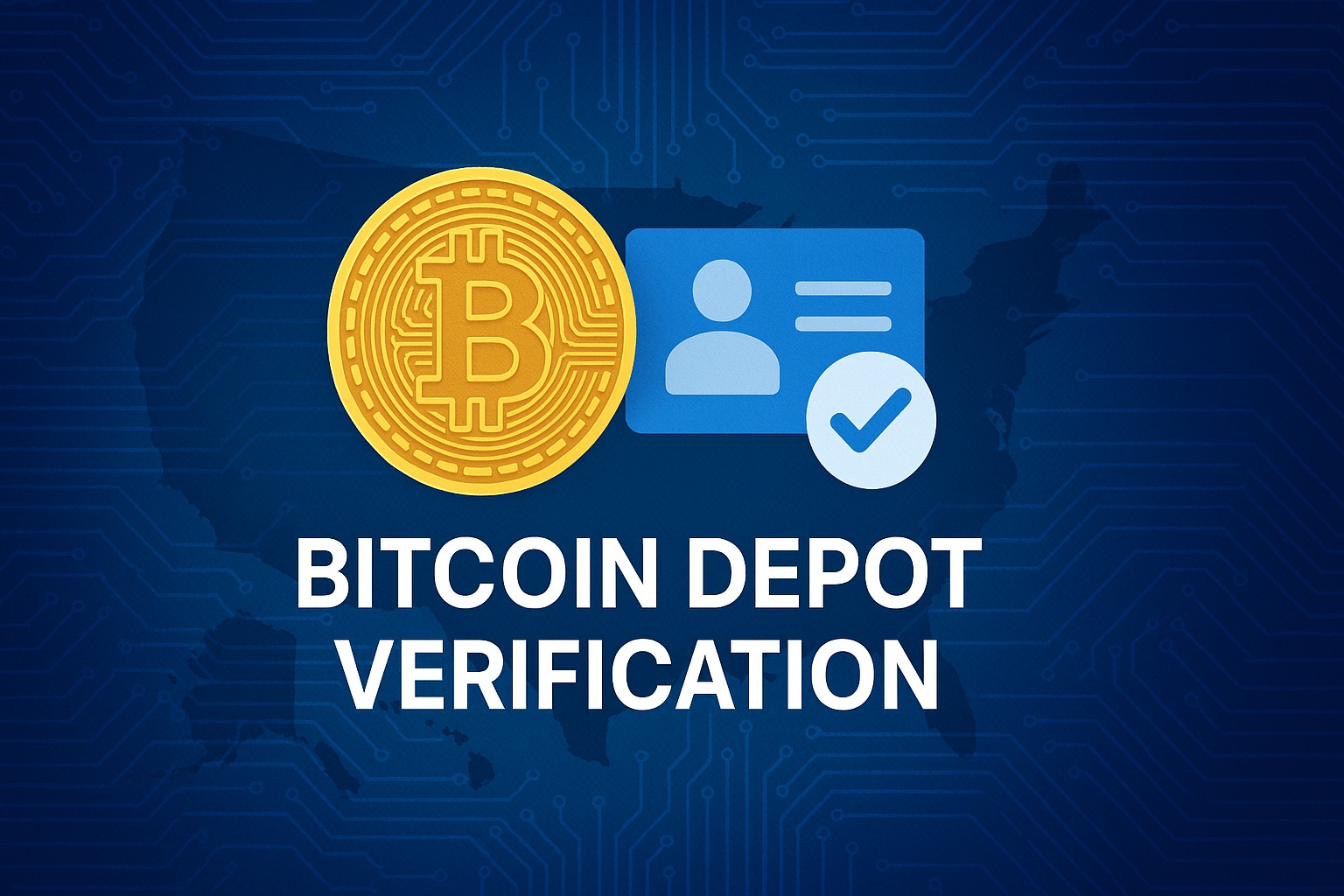
Bitcoin Depot Verification is becoming a central topic in the crypto ATM industry as the company introduces a new requirement for users to provide identification for every transaction. The policy change reflects a broader shift taking place across the United States, where regulators and lawmakers are increasing scrutiny on digital asset kiosks. Concerns over scams, fraud, and misuse of crypto ATMs have pushed operators to adopt stricter compliance and security measures. Against this backdrop, Bitcoin Depot’s decision marks a significant development for both customers and the wider cryptocurrency ecosystem.
Why Bitcoin Depot Verification Is Changing
Bitcoin Depot announced that it began rolling out enhanced verification procedures across its US network earlier in February. Under the updated framework, users must complete identity verification each time they perform a transaction at one of the company’s crypto ATMs. The company explained that this continuous verification model is designed to improve security and detect suspicious behavior before transactions are approved.
According to Bitcoin Depot, verifying user identity at every interaction allows for better monitoring of activity patterns. This includes evaluating factors such as transaction size, frequency, and location. The goal is to reduce risks associated with account sharing, identity theft, and unauthorized account access. By moving beyond one time checks, the company aims to strengthen safeguards that address evolving fraud tactics.
The policy builds on earlier identification rules introduced in October, which initially applied only to new users. Expanding Bitcoin Depot Verification to all transactions represents an additional layer of control rather than a complete overhaul of the system. The company has framed the change as part of its long term commitment to protecting customers and maintaining trust.
The Role of Crypto ATMs in the US
The United States remains the largest market for Bitcoin ATMs worldwide, making regulatory developments particularly important for operators. Thousands of machines are installed across the country, offering users a convenient way to convert cash into digital assets. Bitcoin Depot holds a leading position within this market, with a large number of kiosks deployed nationwide.
Crypto ATMs serve as physical entry points into the digital asset economy. They are often located in convenience stores, shopping centers, and other easily accessible venues. For many users, these machines provide a straightforward alternative to online exchanges. However, their convenience and widespread availability have also attracted attention from regulators concerned about consumer protection.
Because Bitcoin Depot operates such a substantial network, changes to Bitcoin Depot Verification policies carry industry wide implications. Regulatory authorities frequently focus on market leaders when assessing compliance standards. As a result, the company’s actions may influence how competitors and policymakers approach identity requirements in the future.
Fraud and Scam Concerns
Crypto ATMs have long been associated with certain fraud risks, primarily due to the irreversible nature of blockchain transactions. Scammers often exploit this characteristic by directing victims to deposit funds into kiosks. Once a transaction is completed, recovering the transferred assets becomes extremely difficult.
Fraud schemes involving crypto ATMs typically rely on social engineering rather than technical vulnerabilities. Victims may be convinced that they are making legitimate payments or protecting their funds. In many reported cases, individuals only realize the deception after the transaction has been finalized. This dynamic has contributed to mounting pressure on operators to introduce stronger protections.
Bitcoin Depot Verification at every transaction is intended to address some of these concerns by improving oversight. Continuous identity checks can help identify unusual or high risk behavior before funds are transferred. While verification alone cannot eliminate scams, it represents one component of a broader risk management strategy.
Regulatory Pressure and State Actions
Regulators and lawmakers across multiple states have introduced measures targeting crypto ATM operations. These rules often require operators to implement safeguards such as transaction limits, fraud warning notices, and licensing requirements. The regulatory focus reflects growing awareness of consumer losses linked to kiosk based scams.
Bitcoin Depot has faced legal challenges in several jurisdictions. State authorities have raised concerns about whether sufficient protections were in place to prevent fraudulent activity. In some cases, regulators have pursued lawsuits or settlements related to alleged compliance shortcomings.
Such actions illustrate the evolving regulatory environment surrounding crypto ATMs. Operators are increasingly expected to demonstrate proactive risk mitigation rather than relying solely on minimum federal requirements. Expanding Bitcoin Depot Verification procedures can therefore be seen as part of a broader effort to align with changing expectations.
Impact on Users
For customers, the new Bitcoin Depot Verification requirement changes how transactions are conducted at crypto ATMs. Returning users who previously completed identity checks must now verify their information during every interaction. This may introduce additional steps compared to earlier processes.
While some users may view repeated verification as inconvenient, the company emphasizes its security benefits. Regular identity confirmation can reduce the likelihood of unauthorized activity and account misuse. In theory, stronger verification frameworks may also improve overall confidence in crypto ATM services.
The adjustment highlights a recurring challenge within the cryptocurrency sector: balancing accessibility with protection. Crypto ATMs have historically been valued for their ease of use and speed. As regulatory scrutiny intensifies, operators must navigate the tradeoffs between user convenience and compliance obligations.
Editor’s View:
What makes crypto ATM related fraud particularly persistent is not just the technology, but the psychology surrounding urgency and trust. Victims are often guided through transactions by someone who appears authoritative, which shifts their focus away from verification and toward compliance with instructions. The physical presence of a kiosk can also create a false sense of legitimacy, reinforcing the belief that the action is reversible or supervised. In that context, measures like continuous identity checks function less as technical barriers and more as behavioral interruptions at moments where users might otherwise act reflexively.
Broader Industry Implications
Bitcoin Depot Verification policies may influence trends across the crypto ATM industry. Market leaders often shape operational norms as smaller competitors adapt to maintain credibility. Regulators may also interpret such measures as evidence that stricter safeguards are technically feasible.
The shift toward continuous verification mirrors developments seen in other areas of digital finance. Online platforms and financial technology providers have steadily increased identity and monitoring requirements. Applying similar approaches to physical kiosks reflects the convergence of digital and traditional compliance practices.
As regulatory frameworks continue to evolve, identity verification is likely to remain a central theme. Bitcoin Depot’s decision underscores how operators are adjusting strategies in response to fraud concerns and legal pressures. Whether these measures significantly reduce misuse will depend on user behavior, enforcement, and broader industry adoption.
In this changing landscape, Bitcoin Depot Verification represents more than a procedural update. It signals an ongoing transformation in how crypto ATM operators address security, compliance, and consumer protection challenges within an increasingly regulated market.
Disclaimer: This content is for informational purposes only and does not constitute financial advice.
Keep yourself updated with the latest crypto news with FYI Gazette
Read more about Memecoins with FYI Gazette
Keep yourself updated with the latest Altcoin News with FYI Gazette
 Bitcoin
  Ethereum
  Tether
  XRP
XRP  BNB
BNB  Solana
  TRON
TRON  Dogecoin
  Litecoin
  Pepe
Pepe