
Ethereum Gas Revolution: How Ethereum Fixed High Fees
Ethereum Gas Revolution marks a major turning point in Ethereum’s journey. For many years, Ethereum was known for high transaction fees that made simple actions expensive. During busy periods, users often paid $20 to $50 just to send tokens or interact with applications. By early 2026, this issue has largely been solved, with average gas fees falling to nearly one cent.
This transformation did not happen overnight. It was the result of years of development, careful planning, and changes in how Ethereum handles transactions. The Ethereum Gas Revolution has made the network cheaper, faster, and more accessible without giving up security or decentralization.
The Gas Fee Problem Before the Ethereum Gas Revolution
Before this shift, Ethereum struggled with congestion. Every transaction had to compete for limited space in each block. When activity increased, users raised their gas fees to get faster confirmation. This caused fees to rise sharply during popular events like NFT launches or DeFi trading spikes.
While this system helped manage demand, it hurt user experience. Small transactions became impractical, and many users were priced out. Developers also faced challenges, as frequent on-chain actions could become too expensive for users to justify.
High gas fees became Ethereum’s most criticized weakness and opened the door for competing blockchains that promoted cheaper transactions.
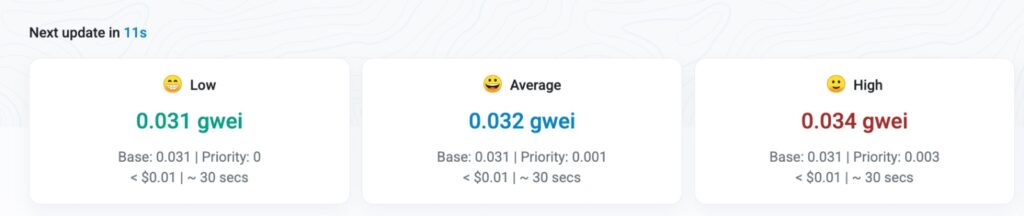
At this level, the numbers matter less than what they signal. When low, average, and high fees cluster so closely together, it suggests the network is not just cheap but also calm, with no urgency premium priced in. Users are not competing for block space, and validators are not prioritizing transactions aggressively. This kind of stability is hard to capture in charts alone, but it reflects a network operating below stress, which historically has been rare for Ethereum during periods of real usage.
What Changed to Start the Ethereum Gas Revolution
The Ethereum Gas Revolution began with a shift in strategy. Instead of trying to process all activity on the main chain, Ethereum evolved into a settlement-focused network. The main chain now focuses on security and final verification rather than handling every transaction directly.
This change reduced pressure on Ethereum’s base layer. By moving most activity elsewhere, congestion dropped, and gas fees naturally fell. At the same time, technical upgrades improved how transaction data is stored and processed, further reducing costs.
Together, these changes laid the foundation for a more scalable and affordable Ethereum network.
How Layer 2 Networks Power the Ethereum Gas Revolution
Layer 2 networks are a key driver of the Ethereum Gas Revolution. These networks process transactions outside the main chain and then bundle them together before settling on Ethereum.
This approach drastically reduces the number of transactions competing for block space. Users enjoy lower fees and faster confirmations, while Ethereum still provides security and decentralization.
By 2025, Layer 2 solutions had matured and gained widespread adoption. For many users, interacting with Ethereum now feels smooth and inexpensive, even though the main chain continues to secure the activity behind the scenes.
Record Transactions Without Rising Fees
A major proof point for the Ethereum Gas Revolution came in early 2026. Ethereum processed more than 2.6 million transactions in a single day without congestion or fee spikes.
In earlier years, that level of activity would have caused severe network slowdowns and soaring costs. Instead, fees remained low, showing that Ethereum’s new scaling model could handle real-world demand.
This milestone confirmed that Ethereum could support mass usage without repeating past problems.
What the Ethereum Gas Revolution Means for Users
Lower gas fees change how people use Ethereum. Small-value transactions are now practical again. Users can move funds, interact with applications, and explore decentralized services without worrying about high costs.
This improved experience makes Ethereum more welcoming to new users. It also allows people in regions with lower incomes to participate without financial barriers.
Overall, Ethereum has become more user-friendly, encouraging broader adoption across different communities.
Benefits for Developers and Applications
Developers also benefit greatly from the Ethereum Gas Revolution. Lower fees allow applications to rely on frequent on-chain interactions without pushing costs onto users.
This is especially important for decentralized finance, gaming, and social platforms. Features that were once too expensive to run on-chain are now possible, opening the door to new designs and business models.
Lower costs also reduce friction, helping projects grow faster and retain users.
Ethereum Gas Revolution and Blockchain Competition
For years, Ethereum’s competitors highlighted low fees as their biggest advantage. Faster and cheaper blockchains attracted users who were frustrated with Ethereum’s costs.
The Ethereum Gas Revolution has changed that comparison. With fees now extremely low, Ethereum’s strengths in security, decentralization, and ecosystem depth stand out even more.
Ethereum also benefits from a large developer community and a wide range of tools and applications. Lower fees strengthen these advantages and make the network harder to replace.
Economic Trade-Offs of Lower Fees
There are trade-offs to the Ethereum Gas Revolution. Ethereum burns part of each transaction fee, reducing supply when fees are high. With fees now very low, the burn rate has slowed.
This has made Ethereum slightly inflationary in the short term. Some investors see this as a downside compared to periods when high fees reduced supply.
However, increased usage and adoption may balance this effect over time through higher demand for ETH.
Editor’s View: What Lower Fees Change in User Behavior
One overlooked effect of lower gas fees is how they quietly change user behavior rather than headline metrics. When costs are negligible, people stop planning transactions and start acting naturally, testing ideas, moving funds casually, and interacting more often without hesitation. This shift matters because it reflects confidence, not speculation. Networks tend to grow more resilient when users treat them as infrastructure rather than something that must be carefully rationed.
Final Thoughts on the Ethereum Gas Revolution
The Ethereum Gas Revolution represents a major achievement for the network. By reducing fees from $50 to nearly zero, Ethereum has removed one of its biggest barriers to adoption.
Through smarter design and the rise of Layer 2 networks, Ethereum has shown that scalability and decentralization can work together. This transformation positions Ethereum for long-term growth and wider global use.
Disclaimer: This content is for informational purposes only and does not constitute financial advice.
Keep yourself updated with the latest crypto news with FYI Gazette
Read more about Memecoins with FYI Gazette
Keep yourself updated with the latest Altcoin News with FYI Gazette
 Bitcoin
  Ethereum
  Tether
  XRP
XRP  BNB
BNB  Solana
  TRON
TRON  Dogecoin
  Litecoin
  Pepe
Pepe